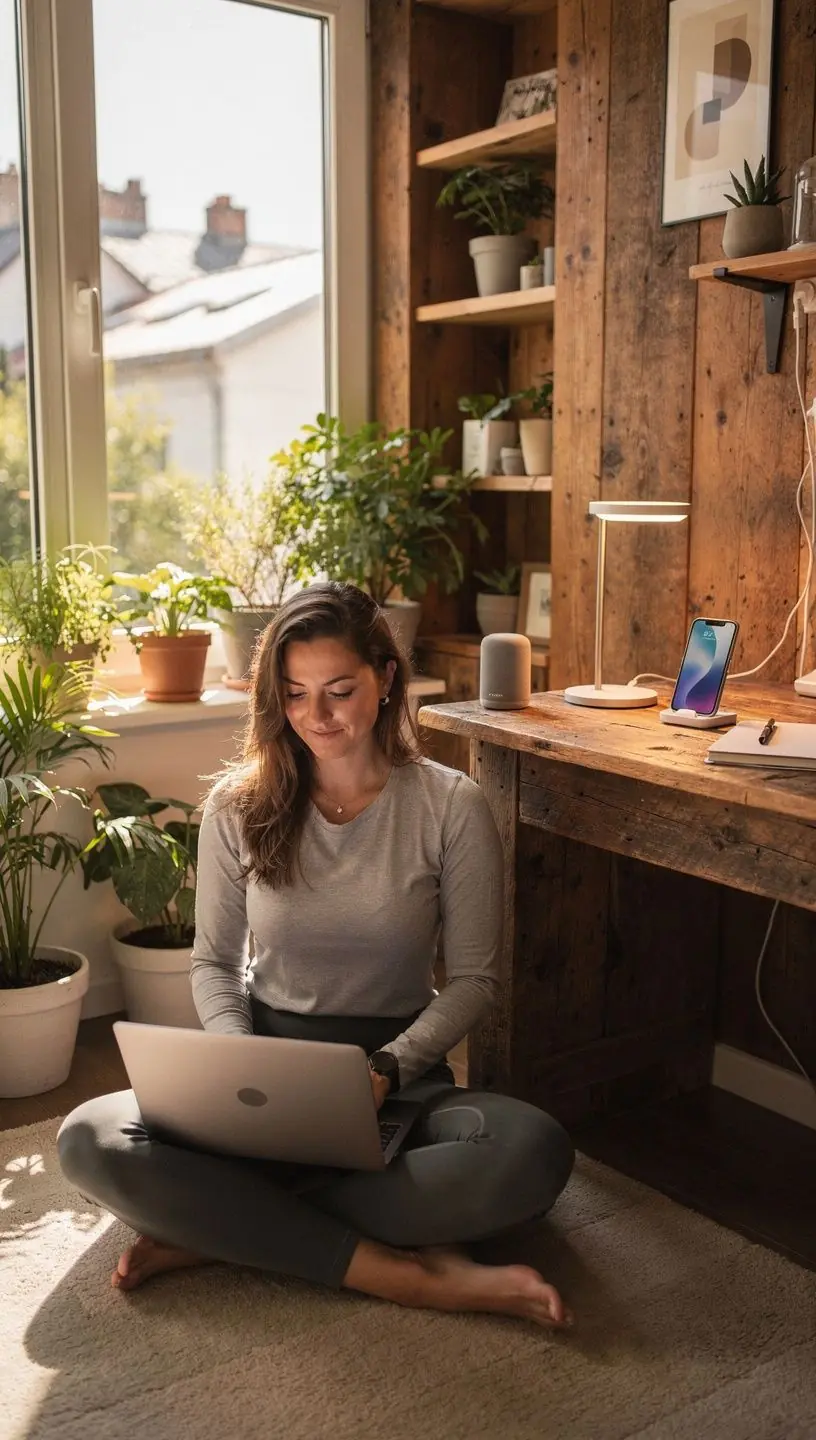
Understanding the Impact of Slow Living
As the pace of modern life accelerates, the concept of slow living emerges as a refreshing antidote. This approach encourages individuals to embrace a more deliberate lifestyle, fostering mindfulness and deeper connections with themselves and their surroundings. This article explores the principles of slow living and its potential impact on overall well-being.
What is Slow Living?
Slow living is a lifestyle choice that advocates for a more measured and intentional way of living. According to experts in psychology and wellness, this lifestyle can reduce stress and improve mental clarity by encouraging individuals to focus on quality over quantity in their daily experiences. Many users report that adopting a slower pace helps them appreciate the small joys in life that are often overlooked.

"Slow living allows individuals to reconnect with what truly matters, fostering a sense of peace and fulfillment." – Mindfulness Expert
The Principles Behind Slow Living
Understanding slow living involves a few key principles:
- Mindfulness: This principle encourages individuals to be present in the moment, enhancing awareness of their surroundings and experiences.
- Pacing: Slow living emphasizes taking time for each activity, allowing for a more enjoyable and fulfilling experience.
- Connection: Building deeper relationships with people and the environment is central to this lifestyle, often leading to greater satisfaction and happiness.
Benefits of Embracing Slow Living
Research indicates that adopting slow living can lead to numerous benefits, including:
- Reduced Stress: Studies show that individuals who practice slow living report lower levels of anxiety and stress, as it encourages a more balanced lifestyle.
- Enhanced Focus: Many individuals find that slowing down allows for improved concentration and productivity, as they can devote their full attention to one task at a time.
- Greater Fulfillment: By prioritizing what truly matters, slow living can foster a deeper sense of joy and satisfaction in daily activities.
Practical Steps to Incorporate Slow Living
Integrating slow living into your life doesn’t require drastic changes. Here are a few practical steps:
- Start with small changes, such as dedicating 10 minutes daily to mindfulness practices, which can typically help reduce stress levels over time.
- Experiment with meal preparation by cooking from scratch. Research suggests that those who engage in cooking often report a more satisfying experience compared to fast food meals.
- Limit multitasking. Many experts recommend focusing on one task at a time, which can improve productivity and decrease feelings of overwhelm.
Challenges and Considerations
While the merits of slow living are compelling, it's important to acknowledge potential challenges. Transitioning to a slower lifestyle typically requires a shift in mindset and habits, which can take time to adjust to. Individuals may experience initial discomfort as they step away from the fast-paced routines they are accustomed to. However, with patience and practice, many find that these changes lead to profound benefits.
Conclusion
Slow living provides a viable path toward a more fulfilling and meaningful life. By embracing this lifestyle, individuals can experience reduced stress, enhanced focus, and a deeper connection to their experiences and relationships. While the transition to a slower pace may require dedication, the potential rewards make it a worthy pursuit for those seeking a more balanced existence.
Learn More