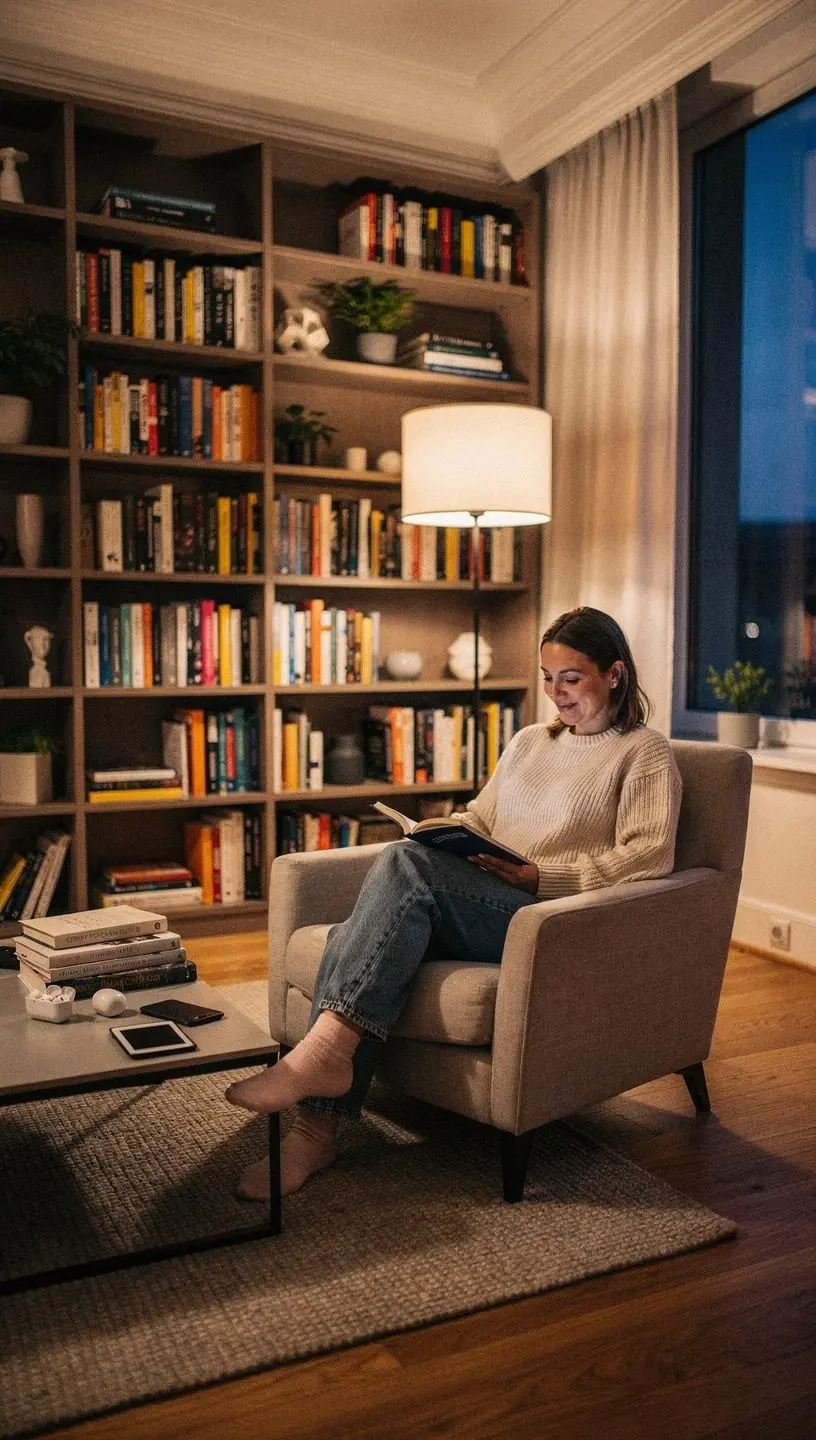
How to Design a Functional Workspace at Home
Creating a functional workspace at home is essential for productivity and well-being. This article outlines practical strategies for designing a workspace that meets your needs while minimizing distractions and maximizing efficiency.
Understanding the Importance of a Dedicated Workspace
According to studies conducted by the American Psychological Association, having a dedicated workspace can significantly enhance focus and productivity. When you designate a specific area for work, it helps to create mental boundaries between professional and personal life, which is crucial for maintaining balance.

"A well-organized workspace can lead to a 20-30% increase in productivity, according to research."
Key Elements of a Functional Workspace
Designing a functional workspace involves several key factors. Here are the most important elements to consider:
- Ergonomic Furniture: Investing in an ergonomic chair and desk is vital. Research suggests that ergonomic setups can reduce discomfort and boost focus, often leading to better performance over time.
- Lighting: Natural light is known to improve mood and energy levels. A study published in the Journal of Environmental Psychology found that workers in well-lit environments are significantly more productive.
- Organization: Keeping your workspace organized is essential. Many experts recommend a clean and clutter-free environment, which helps to minimize distractions and improve efficiency.
Practical Steps for Designing Your Workspace
To create a functional workspace, consider following these steps:
- Identify Your Needs: Take some time to evaluate what you require in your workspace. This may include specific equipment, storage, or even the ambiance you wish to create.
- Choose the Right Location: Ideally, select a quiet area of your home that is free from distractions. This could be a spare room, a corner of your living room, or even a dedicated nook in your bedroom.
- Personalize Your Space: Personal touches can make your workspace feel more inviting. Consider incorporating items that inspire you, such as artwork, plants, or motivational quotes. This personal investment can contribute positively to your mental state.
Setting Realistic Expectations
When setting up your workspace, it’s important to acknowledge that this process can take time and effort. Many users report that a well-thought-out design typically evolves over weeks or months as they discover what works best for them. Regular adjustments may be necessary to optimize your setup.
Conclusion
Designing a functional workspace at home is a gradual process that requires thoughtful consideration of your needs and preferences. By focusing on ergonomic furniture, adequate lighting, and organization, you can create an environment that enhances productivity and supports your working habits. Remember to be patient with yourself as you refine your workspace to suit your evolving requirements.
Learn More