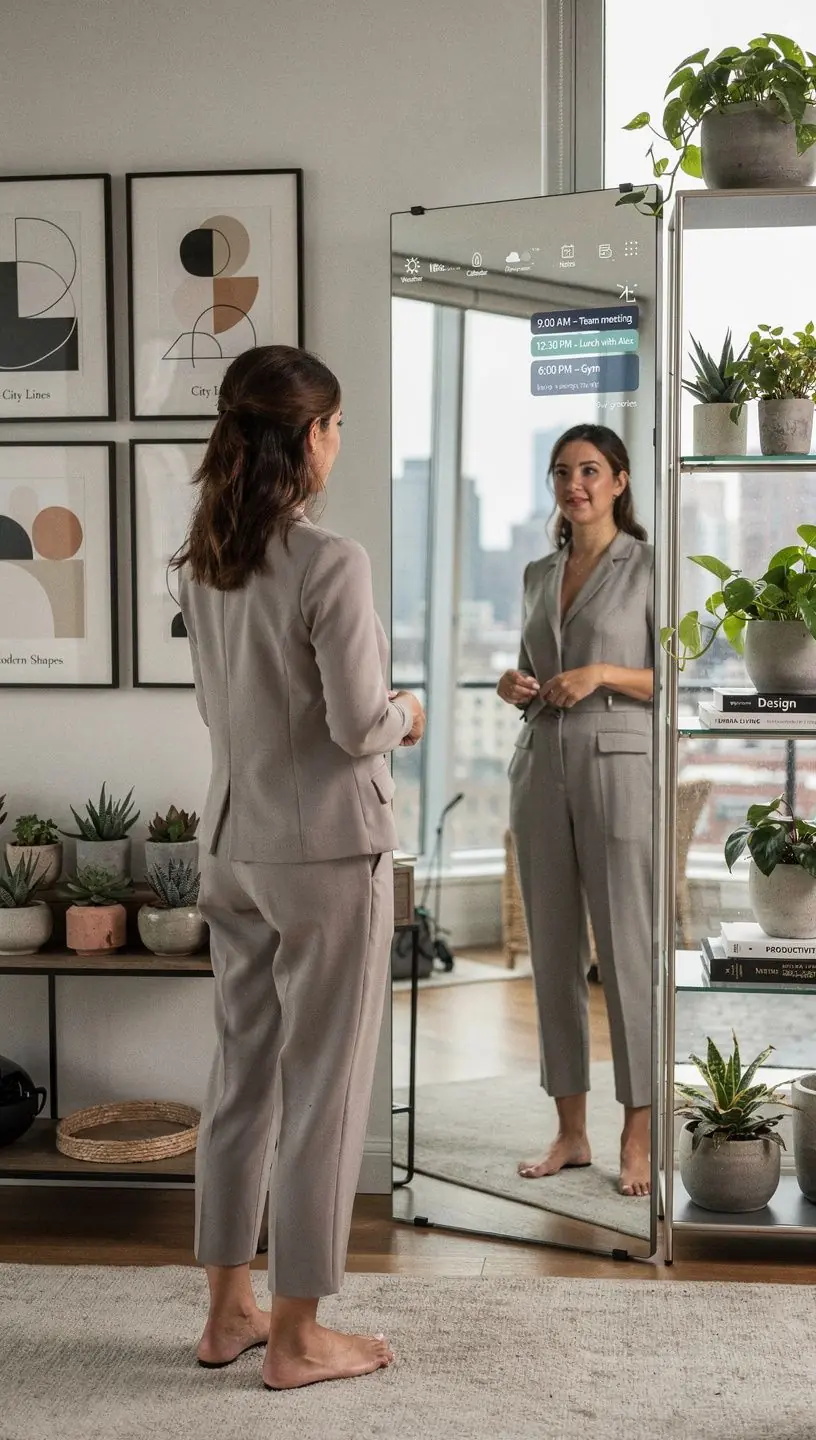
How to Create a Cozy, Minimalist Home Environment
Creating a cozy, minimalist home environment can lead to reduced stress and increased well-being. This article explores effective strategies for achieving a harmonious space that requires less effort to maintain while providing comfort and tranquility.
Understanding Minimalism
Minimalism is not just a design trend; it's a lifestyle choice aimed at simplifying one’s living space. According to research, a minimalist home can help reduce anxiety levels and improve focus. Experts suggest that by minimizing clutter, individuals often experience a sense of freedom and clarity.

"Living with less can provide more space for what truly matters, both physically and mentally."
Steps to Achieve a Cozy Minimalist Home
Creating a cozy minimalist environment involves a thoughtful approach. Here are several practical steps:
- Evaluate Your Belongings: Start by assessing the items in your home. Experts recommend tackling one room at a time. Keep items that serve a purpose or bring you joy.
- Embrace Neutral Colors: Utilizing a neutral color palette can create a calming atmosphere. According to interior design studies, soft colors often make spaces feel larger and more serene.
- Incorporate Natural Elements: Adding plants not only enhances aesthetic appeal but can also improve indoor air quality, as many studies indicate. Choose low-maintenance plants to minimize effort in care.
- Focus on Lighting: Incorporate soft lighting through lamps or candles. Research shows proper lighting can significantly influence mood and comfort levels.
- Designate Relaxation Zones: Create specific areas in your home that are dedicated to relaxation. This could be a reading nook or a cozy corner with cushions. Experts suggest that having a go-to relaxation space can help manage stress.
Maintaining Your Minimalist Space
Once you’ve established a cozy minimalist environment, maintaining it is essential. Here are some considerations:
- Set Regular Decluttering Sessions: Experts recommend scheduling decluttering sessions every few months. This helps keep your space organized and ensures that you only keep items of value.
- Practice Mindful Shopping: Before purchasing new items, consider whether they align with your minimalist goals. This practice can prevent the reaccumulation of clutter and help maintain the balance of your space.
- Develop Daily Routines: Establishing daily habits for tidying up can greatly reduce the effort needed to maintain your space. Simple routines, like putting things back in their place immediately, can make a significant difference over time.
Conclusion
Creating a cozy, minimalist home environment is a process that typically requires dedication and planning. By adopting a mindful approach to your belongings and utilizing design principles grounded in research, you can cultivate a space that offers comfort without overwhelming clutter. Remember, the journey to minimalism is personal and may take time, but the benefits of a serene, organized home can be profoundly rewarding.
Learn More